


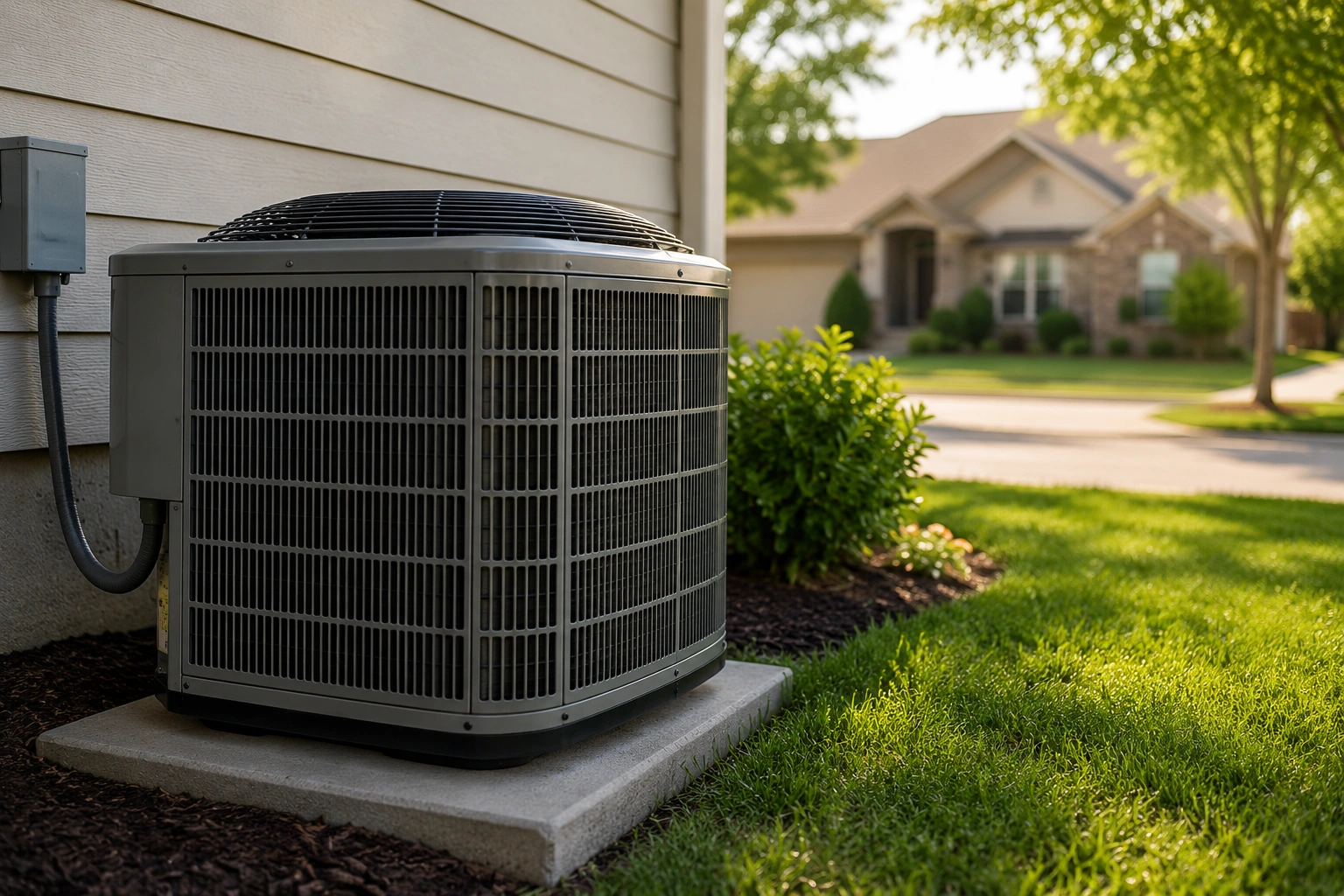
In Texas, an air conditioner isn’t just a convenience—it’s an essential part of keeping your home comfortable through long, hot summers. Because AC systems often run for much of the year, homeowners frequently wonder how long they can expect their system to last and when it’s time to consider a replacement.
While every system is different, understanding the factors that affect an air conditioner’s lifespan can help you make informed decisions about maintenance, repairs, and future upgrades.
Most central air conditioning systems last between 12 and 15 years. Some well-maintained units may continue operating for 18 years or longer, while systems that receive little maintenance or experience heavy use may require replacement sooner.
In Texas, the extended cooling season means air conditioners typically work harder than they do in cooler climates, which can naturally shorten their lifespan.
Several factors determine how long an air conditioner will continue operating efficiently.
Texas summers bring long periods of high temperatures, causing air conditioners to run for many hours each day. The more frequently a system operates, the more wear is placed on components such as the compressor, fan motors, and capacitors.
Routine maintenance is one of the most important factors in extending the life of an air conditioner. Annual inspections help identify worn parts, clean essential components, and keep the system operating efficiently.
Neglecting maintenance can lead to reduced performance, higher energy bills, and avoidable repairs.
Even a high-quality air conditioner may have a shorter lifespan if it wasn’t installed correctly. Proper sizing, refrigerant levels, airflow, and duct connections all play an important role in long-term performance.
Keeping your thermostat extremely low throughout the summer or running the system continuously places additional strain on the equipment. Smart thermostat settings and proper insulation can reduce unnecessary workload.
As an AC system ages, it often becomes less efficient and requires more attention.
Common signs include:
Experiencing one or two of these issues doesn’t necessarily mean the system needs replacing, but multiple problems may indicate it’s approaching the end of its useful life.
Many homeowners wonder whether it’s worth repairing an older air conditioner.
In general, repairing a newer system with minor issues is often the most cost-effective option. However, if your unit is more than 12 to 15 years old and major repairs become frequent or expensive, replacing the system may provide better long-term value.
A newer, energy-efficient system can also reduce monthly cooling costs while improving indoor comfort.
A few simple maintenance habits can help your system perform more efficiently for years to come.
These steps not only improve efficiency but also reduce wear on critical system components.
Compared to many other states, Texas homeowners often use their air conditioners for much longer periods throughout the year. Extended operating hours naturally increase wear on the system, making routine maintenance even more important.
Although Texas weather can shorten an air conditioner’s lifespan, proper care and timely repairs can help many systems continue performing reliably for well over a decade.
If your air conditioner is more than 10 years old, it’s a good idea to have it inspected annually before the peak summer season.
A professional inspection can identify worn components, improve efficiency, and help you plan for future repairs or replacement before an unexpected breakdown occurs.
Whether your AC needs routine maintenance, repairs, or a professional inspection, Apex Electrical, AC & Heating is here to help. Our experienced HVAC technicians can evaluate your system, identify potential issues, and recommend the best solution to keep your home comfortable throughout the Texas heat. Contact us today to schedule your AC service.