


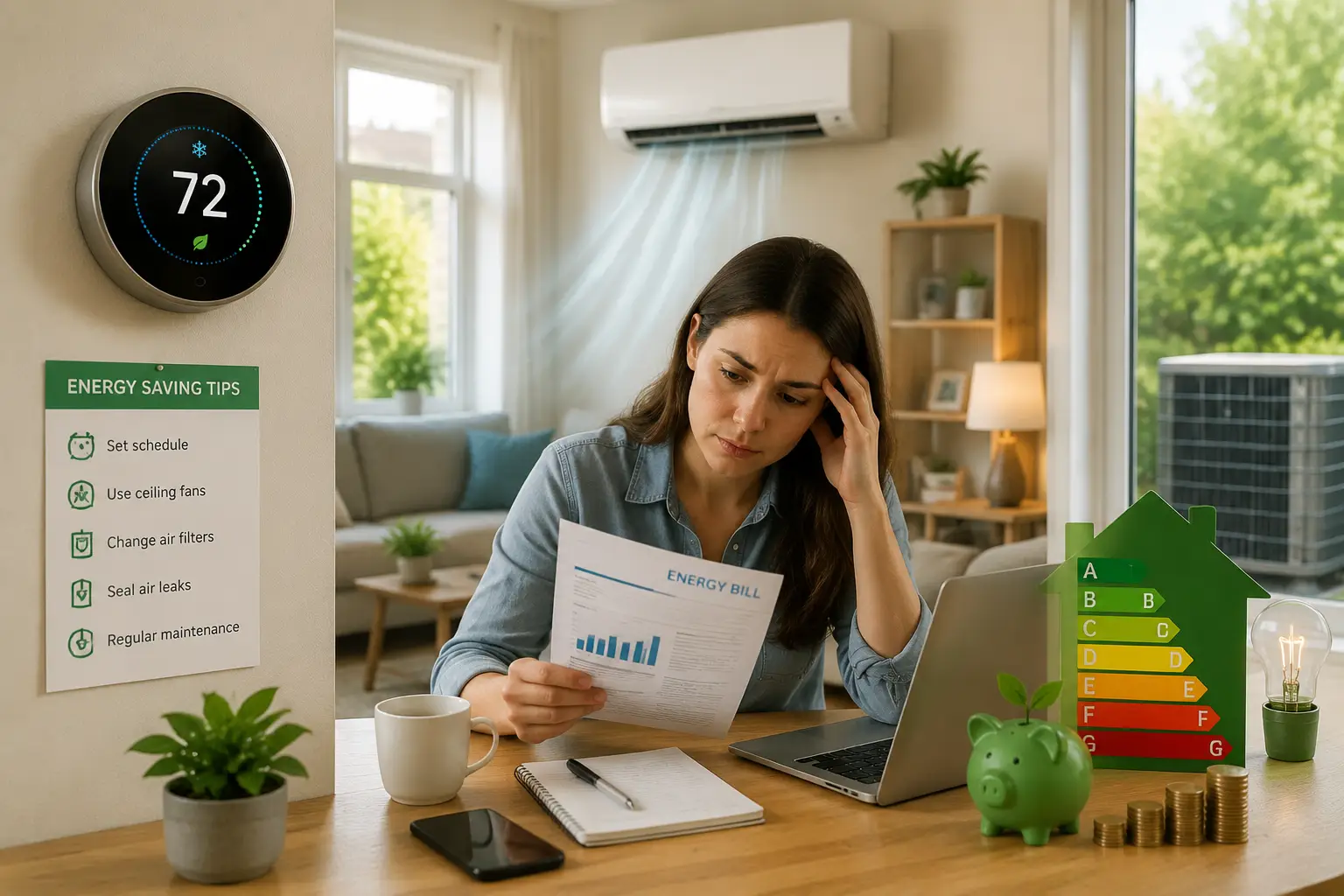
Energy costs have become a growing concern for homeowners across Texas. With extreme summer temperatures causing air conditioners to run for long hours, many families are looking for ways to stay comfortable while reducing monthly utility expenses.
Because heating and cooling systems often account for a large portion of a home’s energy usage, homeowners are becoming more aware of how their HVAC choices, maintenance habits, and daily routines affect energy consumption.
From smart thermostats to high-efficiency systems, modern HVAC solutions are helping homeowners manage rising energy costs while maintaining a comfortable indoor environment.
Your HVAC system works harder than almost any other appliance in your home. During Texas summers, air conditioners may operate for many hours each day to keep indoor temperatures comfortable.
Several factors can influence HVAC energy usage, including:
An inefficient system may require more energy to achieve the same level of cooling as a newer, properly maintained system.
As electricity prices increase, many homeowners are changing the way they use their HVAC systems.
Common changes include:
These adjustments help reduce unnecessary energy waste without sacrificing comfort.
One of the easiest ways homeowners are improving HVAC efficiency is by upgrading to smart thermostats.
Unlike traditional thermostats, smart models allow homeowners to:
For example, homeowners can reduce cooling while away from home and adjust temperatures before returning.
This helps prevent unnecessary AC operation and can improve overall energy management.
Regular maintenance has become a priority for homeowners looking to control energy costs.
A neglected HVAC system often has to work harder to maintain comfortable temperatures.
Common maintenance issues that affect efficiency include:
Routine HVAC service helps identify problems early and allows your system to operate more efficiently.
Older air conditioning systems often consume more energy compared to newer high-efficiency models.
Modern HVAC systems offer improvements such as:
While upgrading requires an upfront investment, a more efficient system can help reduce long-term energy expenses.
Advancements in HVAC technology are changing how homeowners approach comfort and energy savings.
Some popular energy-efficient options include:
Traditional systems often operate at full capacity when cooling. Variable-speed systems can adjust output based on the home’s needs, reducing unnecessary energy use.
Heat pumps provide both heating and cooling by transferring heat instead of generating it, making them an attractive option for homeowners focused on efficiency.
Connected HVAC controls allow homeowners to monitor and optimize system performance.
These technologies help create more efficient homes while improving comfort.
Many homeowners are realizing that reducing energy costs is not only about the HVAC system itself.
A home with poor insulation can allow cooled air to escape, forcing the AC system to run longer.
Areas that commonly need attention include:
Improving insulation and sealing air leaks can reduce the amount of work required from your HVAC system.
Small changes in thermostat habits can have a noticeable impact on energy usage.
Energy-saving practices include:
During Texas summers, even a small thermostat adjustment can help reduce cooling demand.
Many homeowners are shifting their mindset from short-term repairs to long-term efficiency.
Instead of waiting until an old AC system fails completely, homeowners are considering:
Investing in HVAC performance can provide better comfort while helping manage future energy costs.
Your HVAC system may be using more energy than necessary if you notice:
These issues may indicate that your system is losing efficiency and needs professional attention.
Texas homeowners can improve efficiency by following these tips:
Clean filters improve airflow and reduce system strain.
Remove leaves, grass, and debris around your condenser.
Fans help circulate air and improve comfort.
Prevent cool air from escaping your home.
Professional inspections help keep systems operating efficiently.
An HVAC replacement may be worth considering if:
A professional HVAC evaluation can help determine whether repairs or replacement provide the better long-term solution.
At Apex Electrical & AC, we help Texas homeowners improve comfort and efficiency with professional HVAC maintenance, repairs, and system upgrades.
Our team can evaluate your current HVAC system, identify efficiency problems, and recommend solutions designed to reduce energy waste and improve performance.
Whether you need maintenance, thermostat upgrades, or a more efficient HVAC system, professional service can help your home stay comfortable while managing energy costs.
Rising energy costs are changing the way homeowners think about heating and cooling their homes. Instead of simply running their HVAC systems harder, many homeowners are focusing on efficiency, smart technology, regular maintenance, and energy-saving upgrades.
A well-maintained and properly optimized HVAC system can provide reliable comfort while helping reduce unnecessary energy usage.
As energy costs continue to change, investing in HVAC efficiency is becoming an important part of creating a more comfortable and cost-effective home.