


Your air conditioner works hard to keep your home comfortable, especially during the long, hot summers in Texas. Like any major appliance, it requires routine maintenance to continue operating efficiently and reliably. One of the best ways to keep your system in good condition is by scheduling a professional AC tune-up each year.
Many homeowners know tune-ups are recommended, but they aren’t always sure what they include. Understanding the maintenance process can help you see how regular service improves performance, extends equipment life, and reduces the risk of unexpected breakdowns.
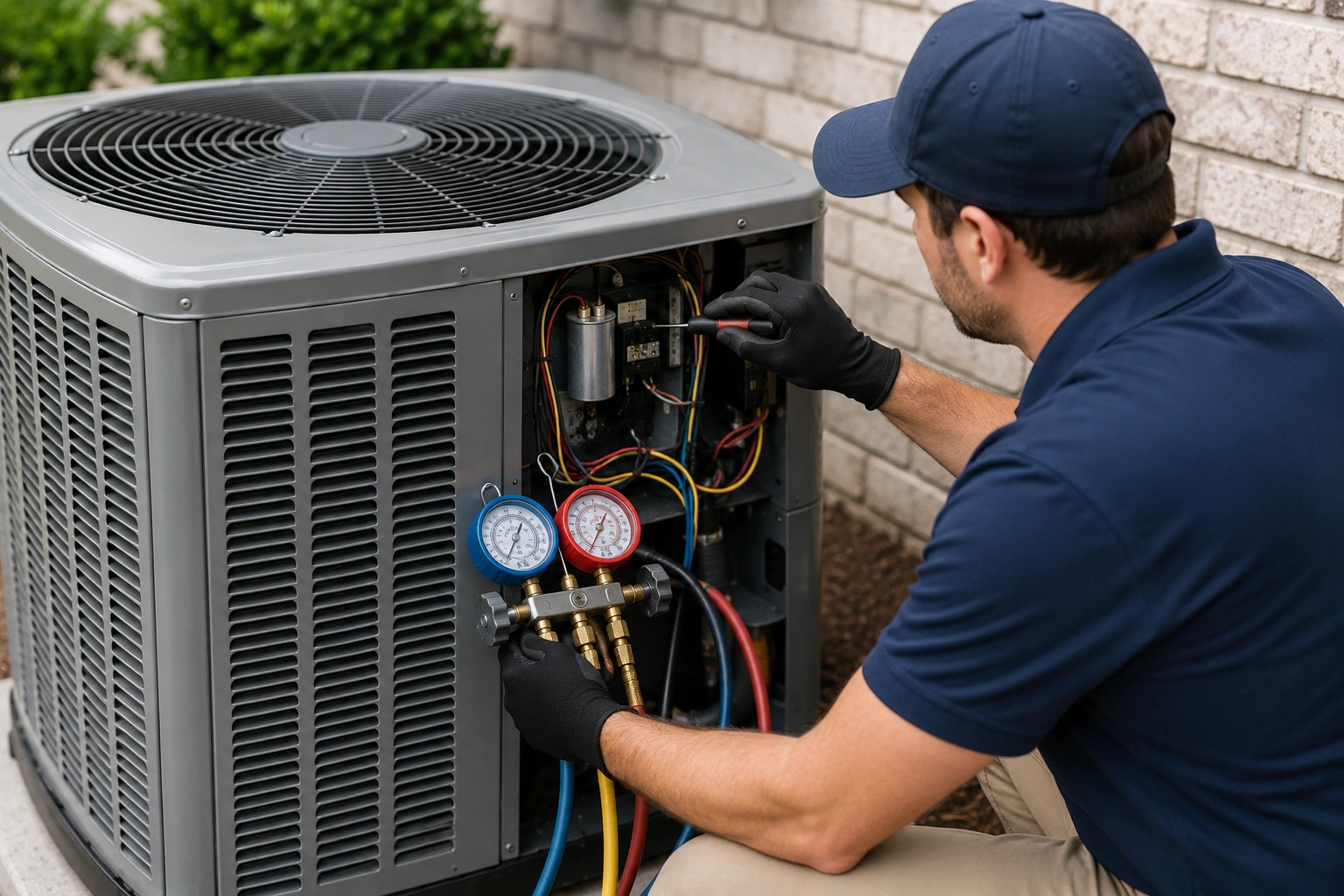
An AC tune-up is a preventive maintenance service performed by a qualified HVAC technician. During the appointment, the technician inspects, cleans, and tests key components of your air conditioning system to ensure everything is operating correctly.
The goal is to identify minor issues before they develop into expensive repairs while helping the system run as efficiently as possible.
Routine maintenance offers several important benefits, including:
Scheduling annual maintenance before peak summer temperatures arrive can help prepare your system for the busiest time of the year.
Although every HVAC company may have a slightly different maintenance checklist, most professional tune-ups include a thorough inspection of the system.
The technician checks the condition of the air filter.
A dirty filter can restrict airflow, reduce efficiency, and place unnecessary strain on the system. If needed, the technician may recommend replacing the filter.
The thermostat is tested to ensure it communicates properly with the HVAC system and accurately controls indoor temperatures.
If calibration or programming adjustments are needed, they can often be made during the visit.
Electrical connections, wiring, capacitors, and contactors are inspected for signs of wear, corrosion, or loose connections.
Proper electrical operation is essential for safe and reliable system performance.
The indoor and outdoor coils are inspected for dirt, debris, and damage.
Dirty coils reduce heat transfer, causing the air conditioner to work harder and consume more energy.
The technician checks refrigerant levels and looks for signs of leaks.
Low refrigerant can reduce cooling performance and may indicate a problem that requires repair.
The condensate drain line is inspected to ensure water flows properly away from the system.
A clogged drain can cause water damage and affect system performance.
The blower motor and fan assembly are inspected to verify they are operating smoothly and providing proper airflow throughout the home.
The outdoor condenser unit is examined for debris, airflow restrictions, and visible signs of wear.
Keeping the outdoor unit clean helps improve efficiency and cooling performance.
While regular maintenance significantly reduces the risk of many common problems, no tune-up can guarantee that every future repair will be avoided.
However, identifying worn components early often allows homeowners to schedule repairs before a complete system failure occurs, helping reduce both inconvenience and unexpected costs.
Most manufacturers and HVAC professionals recommend scheduling a professional AC tune-up once each year, ideally during the spring before temperatures begin to rise.
Homes with heavy air conditioner usage or older systems may benefit from more frequent inspections depending on the condition of the equipment.
Even if you’ve had routine maintenance, contact an HVAC professional if you notice:
Addressing these issues early may help prevent more extensive repairs.
Your air conditioner works hard to keep your home comfortable, especially during the long, hot summers in Texas. Like any major appliance, it requires routine maintenance to continue operating efficiently and reliably. One of the best ways to keep your system in good condition is by scheduling a professional AC tune-up each year.
Many homeowners know tune-ups are recommended, but they aren’t always sure what they include. Understanding the maintenance process can help you see how regular service improves performance, extends equipment life, and reduces the risk of unexpected breakdowns.
An AC tune-up is a preventive maintenance service performed by a qualified HVAC technician. During the appointment, the technician inspects, cleans, and tests key components of your air conditioning system to ensure everything is operating correctly.
The goal is to identify minor issues before they develop into expensive repairs while helping the system run as efficiently as possible.
Routine maintenance offers several important benefits, including:
Scheduling annual maintenance before peak summer temperatures arrive can help prepare your system for the busiest time of the year.
Although every HVAC company may have a slightly different maintenance checklist, most professional tune-ups include a thorough inspection of the system.
The technician checks the condition of the air filter.
A dirty filter can restrict airflow, reduce efficiency, and place unnecessary strain on the system. If needed, the technician may recommend replacing the filter.
The thermostat is tested to ensure it communicates properly with the HVAC system and accurately controls indoor temperatures.
If calibration or programming adjustments are needed, they can often be made during the visit.
Electrical connections, wiring, capacitors, and contactors are inspected for signs of wear, corrosion, or loose connections.
Proper electrical operation is essential for safe and reliable system performance.
The indoor and outdoor coils are inspected for dirt, debris, and damage.
Dirty coils reduce heat transfer, causing the air conditioner to work harder and consume more energy.
The technician checks refrigerant levels and looks for signs of leaks.
Low refrigerant can reduce cooling performance and may indicate a problem that requires repair.
The condensate drain line is inspected to ensure water flows properly away from the system.
A clogged drain can cause water damage and affect system performance.
The blower motor and fan assembly are inspected to verify they are operating smoothly and providing proper airflow throughout the home.
The outdoor condenser unit is examined for debris, airflow restrictions, and visible signs of wear.
Keeping the outdoor unit clean helps improve efficiency and cooling performance.
While regular maintenance significantly reduces the risk of many common problems, no tune-up can guarantee that every future repair will be avoided.
However, identifying worn components early often allows homeowners to schedule repairs before a complete system failure occurs, helping reduce both inconvenience and unexpected costs.
Most manufacturers and HVAC professionals recommend scheduling a professional AC tune-up once each year, ideally during the spring before temperatures begin to rise.
Homes with heavy air conditioner usage or older systems may benefit from more frequent inspections depending on the condition of the equipment.
Even if you’ve had routine maintenance, contact an HVAC professional if you notice:
Addressing these issues early may help prevent more extensive repairs.
A professional AC tune-up is one of the simplest ways to improve your air conditioner’s efficiency, reliability, and lifespan. By inspecting critical components, cleaning the system, and identifying potential issues early, routine maintenance helps your HVAC system perform at its best when you need it most.
Whether your air conditioner is new or several years old, annual maintenance is a smart investment in long-term comfort and performance.
Keep your air conditioner running efficiently with routine maintenance from Apex Electrical, AC & Heating. Our experienced HVAC technicians perform comprehensive AC tune-ups designed to improve performance, identify potential issues early, and help your system stay ready for the Texas heat. Contact us today to schedule your professional AC maintenance service.